
What is Cervical Spondylosis?
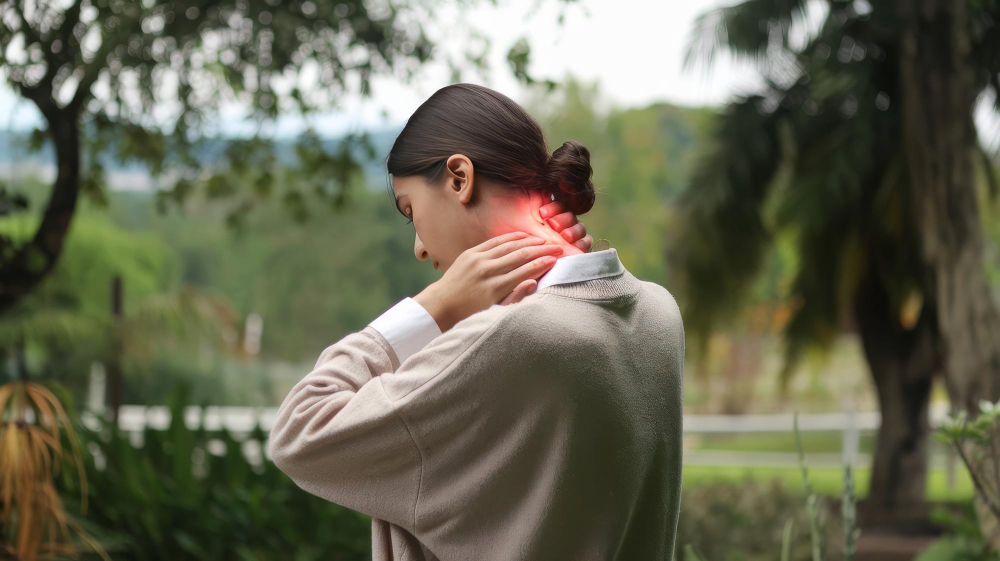
Cervical spondylosis is a common condition that affects the neck. It happens when the bones and discs in the neck wear down with age. Many people over 40 experience some signs of this condition. Symptoms often include neck pain, stiffness, and trouble moving the neck. Sometimes, people also feel tingling or weakness in their arms or hands. Because of this, daily tasks like driving, reading, or sleeping can become difficult. In Ayurveda, this problem is seen as a result of imbalanced body energies, or doshas. Cervical Spondylosis in Ayurveda focuses on gentle, natural ways to manage pain and improve movement.
Causes of Cervical Spondylosis According to Ayurveda
According to Ayurveda, cervical spondylosis is linked to an imbalance in the Vata dosha. Vata controls movement and dryness in the body. When Vata increases, it can cause dryness and stiffness in the neck. In addition, poor posture, lack of exercise, and stress can make symptoms worse. Ayurveda also points to aging, unhealthy food, and long hours at a desk as risk factors. Therefore, understanding these causes helps guide natural remedies for neck pain and stiffness.
Ayurvedic Diagnosis of Cervical Spondylosis
In Ayurveda, doctors use several methods to diagnose cervical spondylosis. First, they ask about symptoms and daily habits. Next, they may check the pulse, which is called Nadi Pariksha. This helps find which dosha is out of balance. Doctors also look for signs like neck pain, stiffness, and reduced movement. Sometimes, they check for tenderness or swelling in the neck. By combining these steps, Ayurveda offers a clear picture of the condition.
Ayurvedic Treatments for Cervical Spondylosis
Ayurvedic treatment for cervical spondylosis uses natural remedies and therapies. These aim to reduce pain, improve movement, and balance the doshas. Many treatments are gentle and focus on long-term relief. For example, herbal oils and medicines help soothe pain and swelling. Panchakarma therapies, such as Abhyanga (oil massage) and Nasya (nasal drops), are often used. In addition, external treatments like hot compresses can ease stiffness. Supportive herbal medicines may include ashwagandha, guggulu, and rasna. Always, it is best to consult a trained Ayurvedic doctor before starting any therapy.
Lifestyle and Dietary Guidelines in Ayurveda
Ayurveda suggests simple lifestyle changes to help manage neck pain and stiffness. First, eating warm, cooked foods can balance Vata. Foods like soups, stews, and cooked vegetables are best. In contrast, cold or dry foods may worsen symptoms. It is also helpful to follow a regular daily routine. Gentle stretching, enough sleep, and stress relief are important. Moreover, Ayurveda recommends avoiding heavy lifting and sudden neck movements.
Exercises and Mobility Tips
Gentle neck exercises can help improve movement and reduce pain. For example, slow neck rotations and side bends keep the neck flexible. Yoga is also helpful for neck stiffness. Poses like cat-cow, child’s pose, and gentle twists support neck health. However, avoid any sudden or jerky movements. Good posture is key. Always keep your neck straight when sitting or using a phone. If you work at a desk, take short breaks to stretch every hour.
Prevention Strategies in Ayurveda
Ayurveda offers many ways to prevent cervical spondylosis. First, regular oil massage keeps the neck supple. Managing stress through meditation or breathing exercises is also helpful. In addition, keeping a balanced diet and staying active can protect the neck. Ayurveda also suggests avoiding cold weather and drafts, as these can increase Vata. Long-term habits, such as mindful movement and regular check-ups, support neck health for years to come.
Conclusion
If you have neck pain or stiffness, Ramya Reddy is here to help. Book a consultation today to explore gentle Ayurvedic care and get advice tailored to your needs.